Propolis: Mechanisms, Efficacy, and Nano-Propolis Transformation
In today’s increasingly complex modern health ecosystem, people are turning back to “nature’s pharmacy.” One of the most searched questions on search engines is simple yet profound: What is propolis for? This question isn’t just about discovering benefits; it reflects a growing need for natural, preventive health protection.
However, to fully grasp its potential, we must shift from myth to science. We will explore why conventional propolis is now being replaced by a more sophisticated technology: Nano-Propolis.
Chapter 1: Understanding Propolis — The Colony’s Fortress
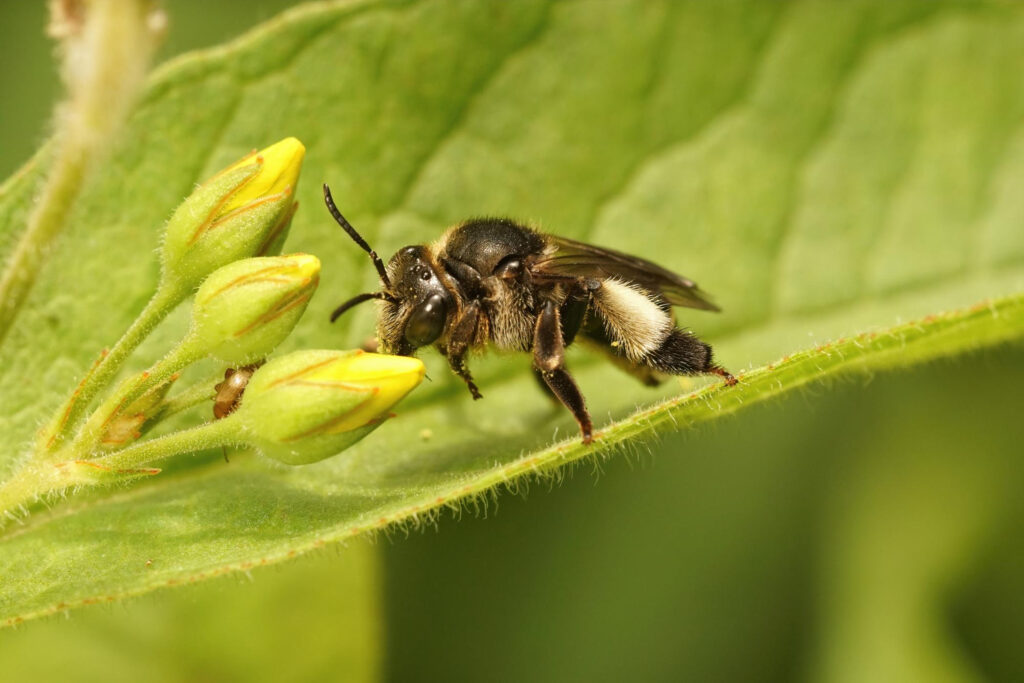
Propolis is a resinous substance collected by honeybees (Apis mellifera) from various botanical sources. It isn’t just “bee glue” used to seal hive gaps; it is a complex chemical defense system.
A Complex Chemical Composition
Propolis contains over 300 active compounds, generally consisting of:
- Resin (50%): Rich in phenolic acids and flavonoids.
- Waxes (30%): Provides texture and structure.
- Essential Oils (10%): Provides aroma and volatile properties.
- Pollen (5%): Residual traces from bee activity.
- Organic Compounds (5%): Including vitamins, minerals, and amino acids.
The flavonoid content is the master key. Flavonoids such as Quercetin, Pinocembrin, and Galangin act as potent antioxidants that neutralize free radicals within the human body.
Chapter 2: Molecular Mechanisms — How Does It Work?
To answer “what is propolis for,” we must examine its interaction with human biology at a cellular level.

- Immune System Modulation (Immunomodulator): Unlike immunosuppressants or forced stimulants, propolis acts as a modulator. It regulates immune responses to prevent overreaction (which triggers autoimmune issues) or underperformance (which leads to infection). It enhances macrophage activity, making the body more alert to microbial invasions.
- Chronic Anti-Inflammatory Properties: Many modern diseases, like heart disease and diabetes, stem from chronic inflammation. Propolis inhibits the Nuclear Factor-kappa B (NF-κB) signaling pathway—the “master switch” for inflammation in our cells.
- Antiviral and Antibacterial Activity: Propolis doesn’t blindly kill all bacteria like broad-spectrum antibiotics. It works selectively by disrupting the cytoplasmic membranes of pathogenic bacteria and inhibiting biofilm formation, preventing them from multiplying.
Chapter 3: Why Nano-Propolis?
While conventional propolis is beneficial, it faces a major hurdle: Bioavailability. Raw propolis is hydrophobic (water-insoluble). This is where Nano-Propolis changes the game.
The Particle Size Revolution
Nano-Propolis is the result of processing propolis using nanotechnology to reduce particle size to the nanometer scale (one-billionth of a meter). For perspective, these nanoparticles are thousands of times smaller than a human cell.
Key Advantages of Nano-Propolis:
- Maximum Absorption: The microscopic size allows active compounds to penetrate intestinal walls and enter the bloodstream significantly faster.
- Instant Effect: Due to rapid absorption, benefits are felt much sooner than with regular propolis.
- Water Solubility: Unlike brown propolis, which turns cloudy and oily, Nano-Propolis is typically clear and fully soluble, indicating the absence of wax residues that can be taxing on the kidneys.
Chapter 4: Comparison Table — Conventional vs. Nano-Propolis
| Feature | Conventional Propolis | Nano-Propolis |
| Particle Size | Micrometers (Large) | Nanometers (Ultrafine) |
| Water Solubility | Low (Oily/Cloudy) | High (Clear/Fully Soluble) |
| Absorption Rate | 5% – 20% | 80% – 95% |
| Kidney Load | Risky (Wax residue) | Safe (Wax-free) |
| Efficacy Speed | Slow | Very Fast |
Chapter 5: Medical Efficacy — Real-World Benefits
Let’s break down the practical applications of propolis across various health categories:
- A. Respiratory Health: Used to relieve symptoms of flu, asthma, and sore throats. Its local anesthetic properties soothe swallowing pain while its antimicrobials inhibit influenza virus replication.
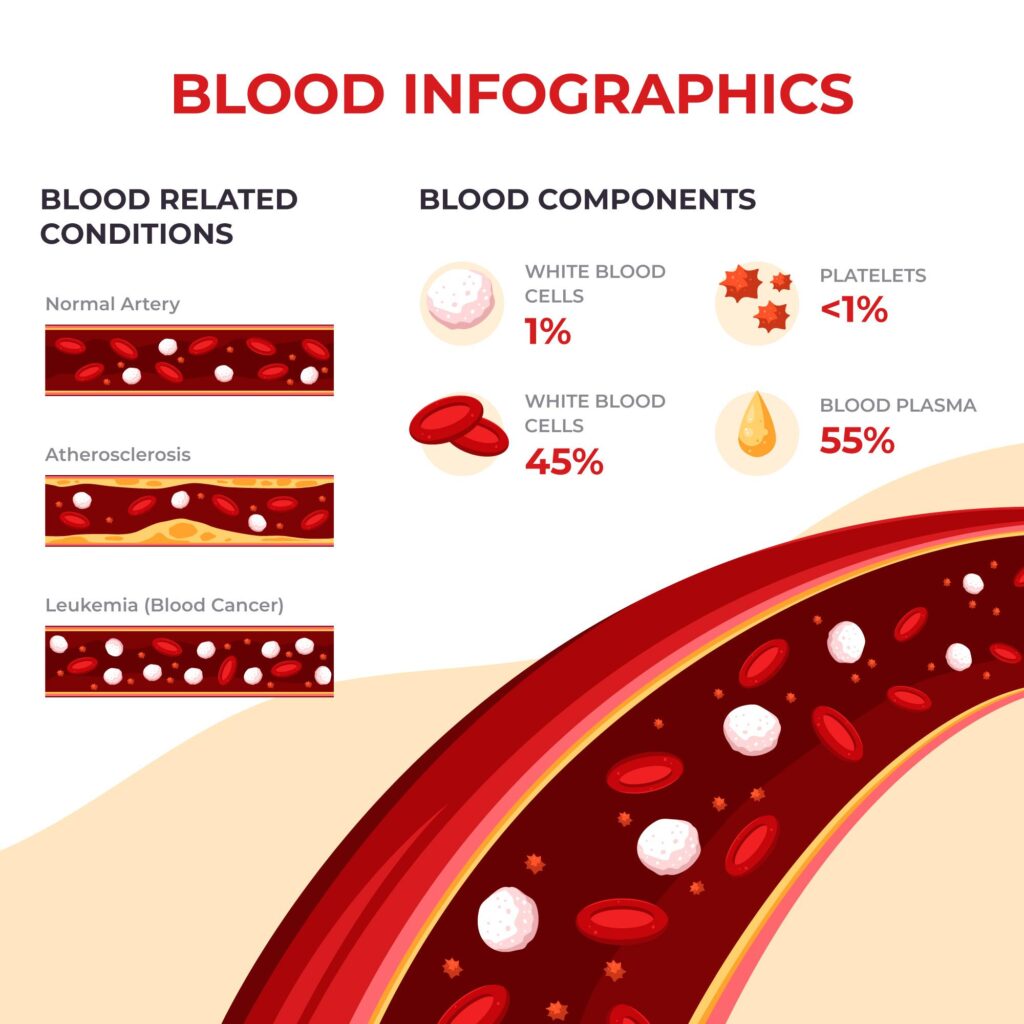
- B. Cardiovascular Health: Antioxidants help prevent LDL cholesterol oxidation—the primary cause of arterial plaque. This maintains vessel flexibility and reduces stroke risk.
- C. Oral and Dental Care: Often recommended for mouth ulcers (canker sores), gingivitis, and preventing dental caries by inhibiting Streptococcus mutans bacteria.
- D. Post-Surgery & Wound Healing: Stimulates the regeneration of skin cells (keratinocytes) and fibroblasts. In difficult-to-heal diabetic wounds, Nano-Propolis shows significant acceleration in wound closure.
Chapter 6: Recommended Usage
- Maintenance: 3-5 drops in half a glass of water, twice daily (morning and night).
- Therapeutic: 7-10 drops in water, 3 times daily during illness.
- Topical: Apply directly to mouth ulcers or external wounds for instant protection.
Chapter 7: Conclusion — The Future of Bee-Based Medicine
Returning to the initial question: What is propolis for? The answer is vast—from a daily shield to supportive therapy for chronic conditions. In this digital era, smart product selection is key. Nano-Propolis is no longer just a trend; it is a necessity for those seeking real health benefits without burdening the body with unnecessary residues.

